
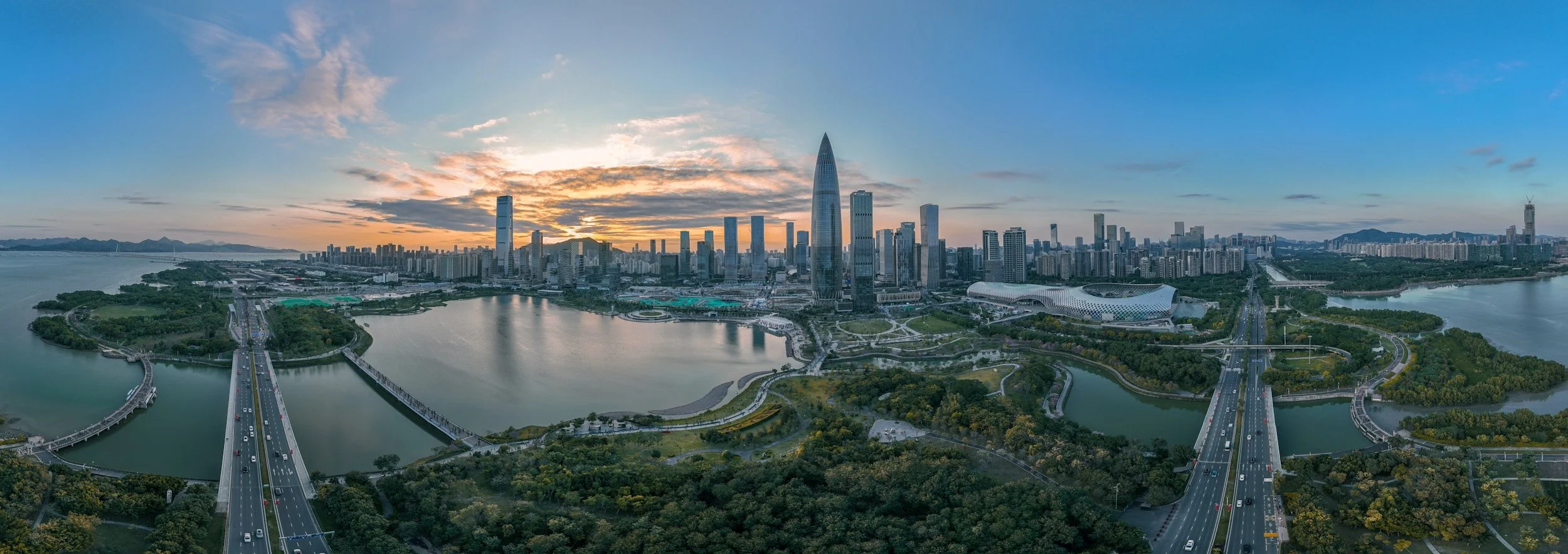
Learning Expedition in
SHENZHEN
Shenzhen turned a fishing village into the world's hardware capital in forty years. No other city on earth has demonstrated what state-directed market economics can do at that speed — or what it looks like when manufacturing intelligence and technology ambition occupy the same square mile.
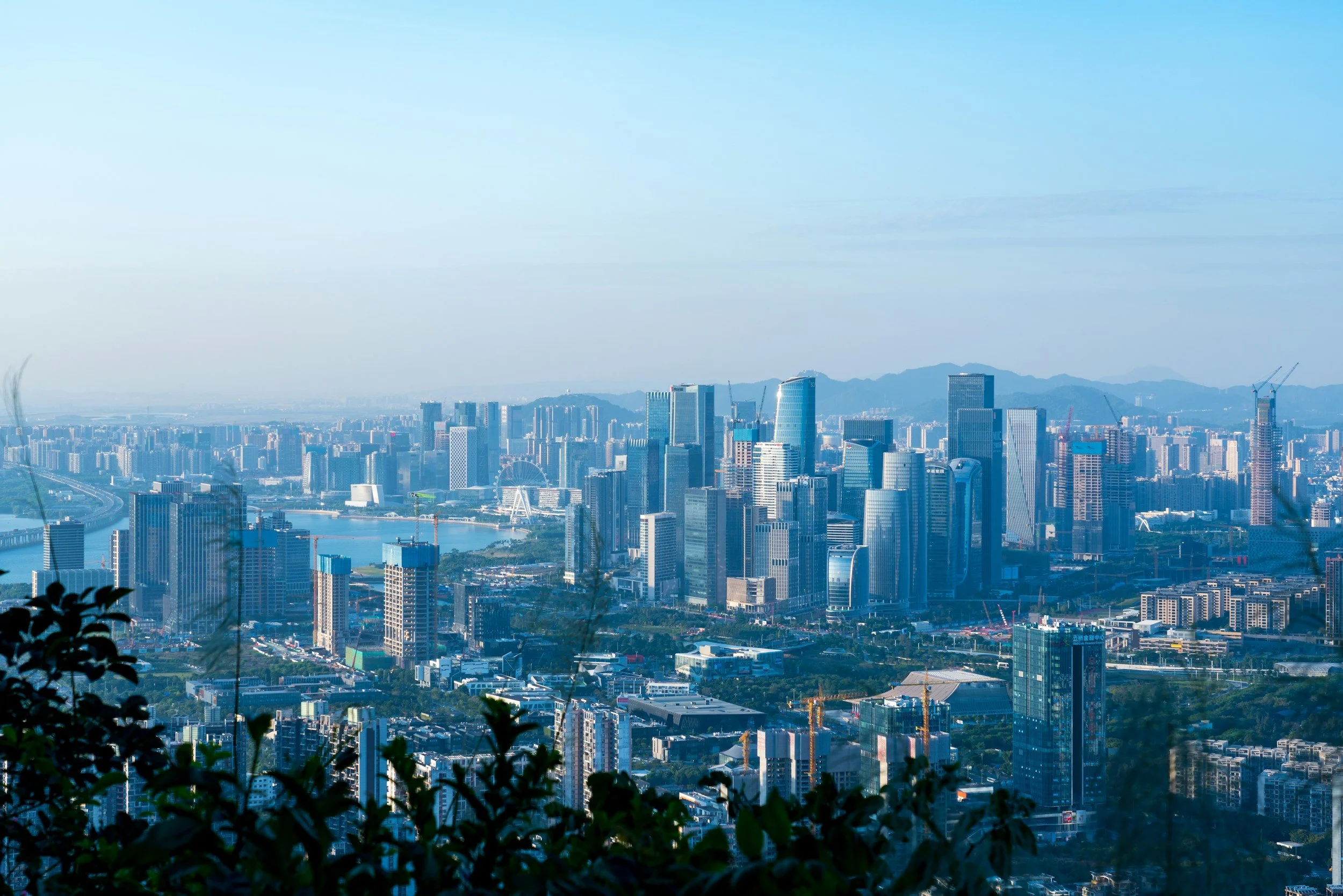
Shenzhen is the most instructive city in the world for understanding industrial transformation. Created from scratch in 1980 as China's first Special Economic Zone, it became the manufacturing backbone of the global technology industry — the place where iPhones are assembled, where drones are made by the millions, and where the supply chains that underpin global electronics were built.
But the story has moved on. Shenzhen is no longer primarily a manufacturing city. It is now a technology city that manufactures — home to Huawei, DJI, Tencent, BYD, OnePlus, and hundreds of technology companies that began in the supply chain and migrated into innovation. The city's Bao'an district remains the world's most concentrated electronics manufacturing ecosystem. Its Nanshan district houses some of China's most ambitious technology companies. Its Futian district is developing into a financial and services hub.
For leadership teams, Shenzhen offers an unparalleled view into hardware innovation, manufacturing at scale, China's technology ambitions in AI, electric vehicles, and robotics — and the supply chain dynamics that shape the global technology industry.
Expeditions available in Shenzhen
01
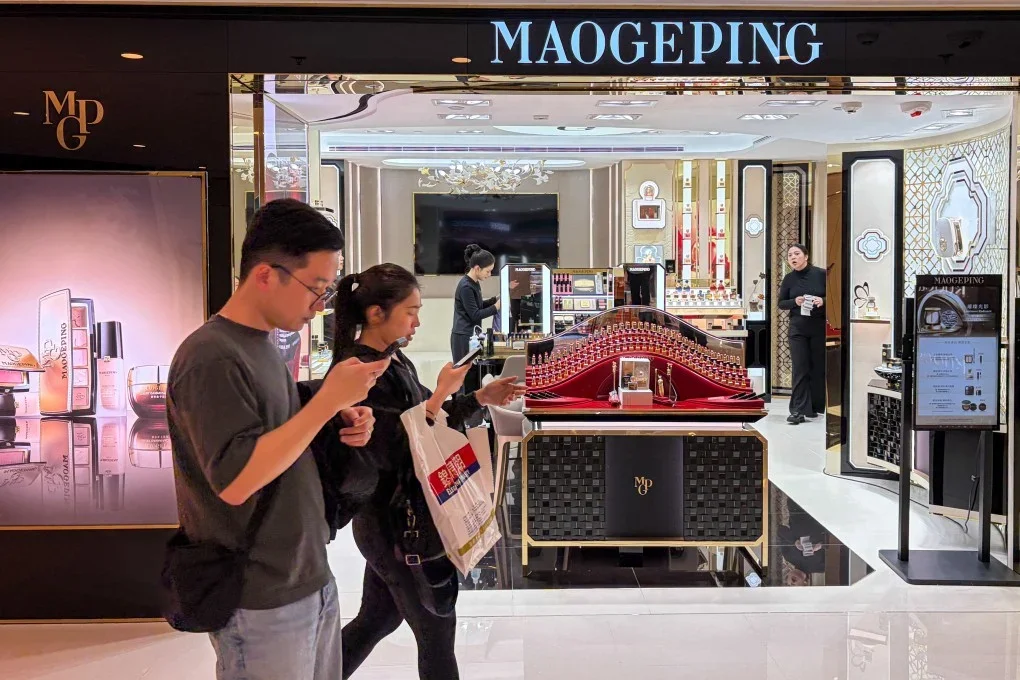
Hardware Innovation & Electronics Manufacturing
02
Electric Vehicles & New Energy Technology
03
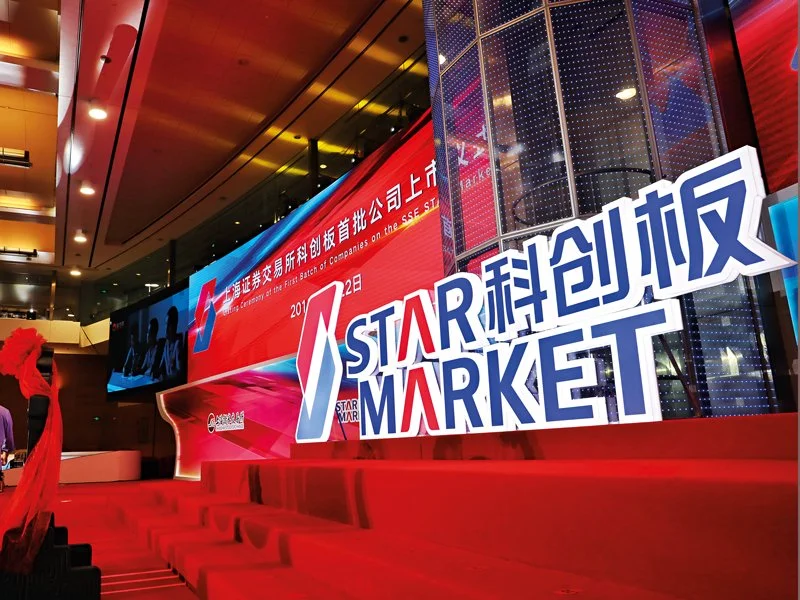
Robotics & Intelligent Manufacturing

04
Startup Ecosystem & Technology Commercialisation
Why leadership teams come in Shenzhen
Organisations visit Shenzhen to understand how physical technology is made at scale, how hardware innovation works in an environment of extraordinary manufacturing density, and what China's industrial technology ambition looks like in operational form.
1. Define your strategic focus
Every programme is built around your priorities — whether that’s AI, digital transformation, new market entry, or organisational design.
2. Curate the right ecosystem
We design your journey across startups, corporates, investors, and enablers aligned to your objectives.
3. Experience, not observe
You engage directly — asking questions, challenging assumptions, and pressure-testing ideas.
4. Translate into action
Each day ends with structured synthesis — ensuring insights don’t stay abstract, but become clear next steps.