

Learning Expedition in
SEOUL
Seoul is the only city in the world where a beauty brand, a semiconductor company, a streaming platform, and a shipbuilder can be subsidiaries of the same conglomerate. That tells you something important about how Korean business actually works.
South Korea built its economy through deliberate industrial policy, conglomerate discipline, and an almost singular national drive toward technological competence. The result is an economy that punches dramatically above its weight: global leaders in semiconductors, consumer electronics, shipbuilding, steel, electric vehicle batteries, beauty, entertainment, and increasingly, gaming and digital content.
But Seoul's relevance for leadership teams is not just the industries Korea dominates. It is the business culture behind that dominance — the speed of decision-making, the appetite for reinvention, the discipline of execution, and the global commercial ambitions of companies that began as domestic operations barely sixty years ago.
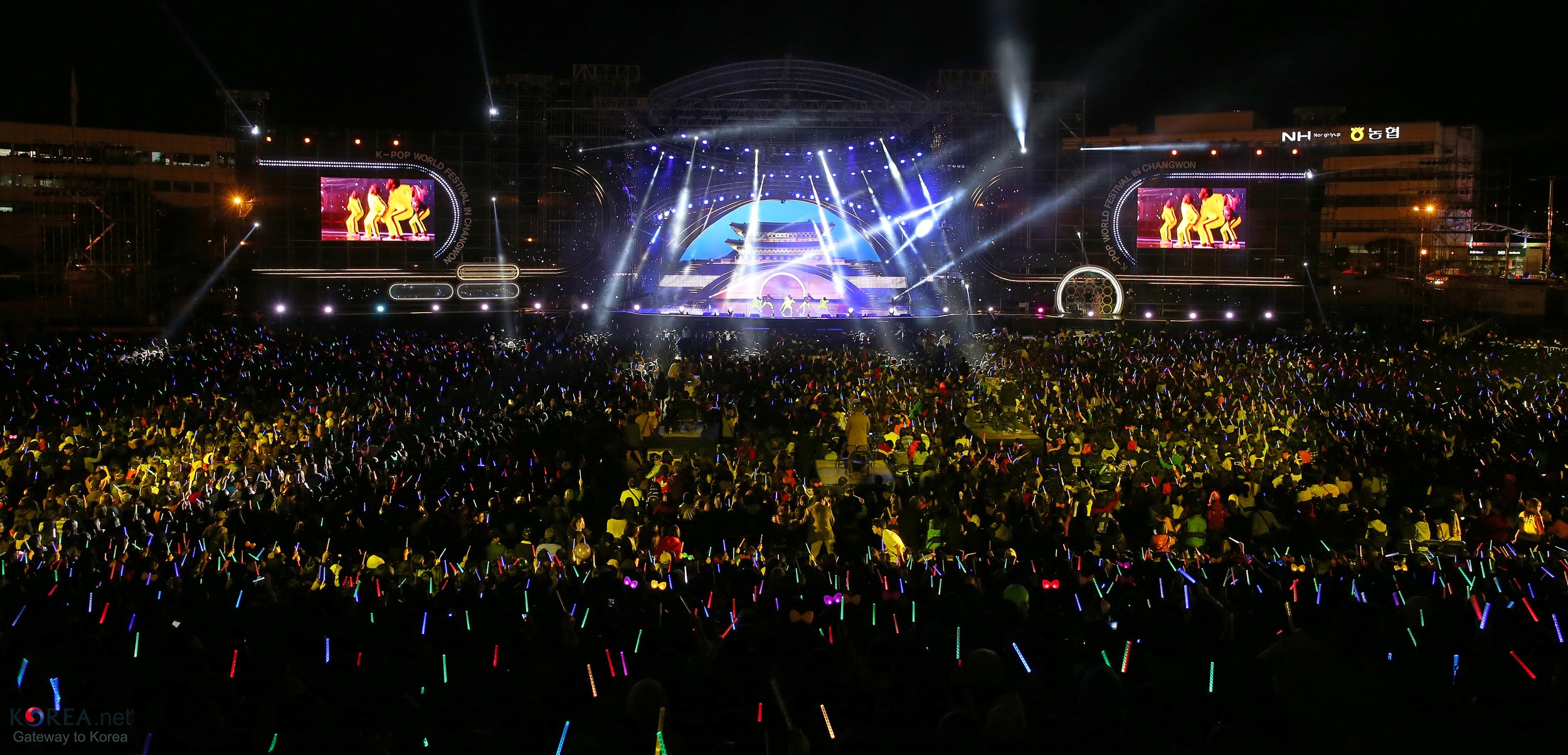
Korea is also where the most interesting convergence of industrial and cultural export is happening simultaneously. K-beauty, K-pop, K-drama, and Korean food are reshaping global consumer preferences — and doing so through deliberate commercial strategy, not organic diffusion. The Korean Wave (Hallyu) is not a cultural accident. It is a business model.
From semiconductor supply chains to beauty retail strategy, from chaebols undergoing generational leadership transitions to startups disrupting legacy industries, Seoul is one of the richest environments available for leadership learning.
Expeditions available in Seoul
01

02
03
04

Why leadership teams come in Seoul
Organisations visit Seoul to understand speed, reinvention, and the commercial architecture of cultural influence — and to engage with business leaders who have built genuinely global companies from a domestic base in less than a generation.
1. Define your strategic focus
Every programme is built around your priorities — whether that’s AI, digital transformation, new market entry, or organisational design.
2. Curate the right ecosystem
We design your journey across startups, corporates, investors, and enablers aligned to your objectives.
3. Experience, not observe
You engage directly — asking questions, challenging assumptions, and pressure-testing ideas.
4. Translate into action
Each day ends with structured synthesis — ensuring insights don’t stay abstract, but become clear next steps.